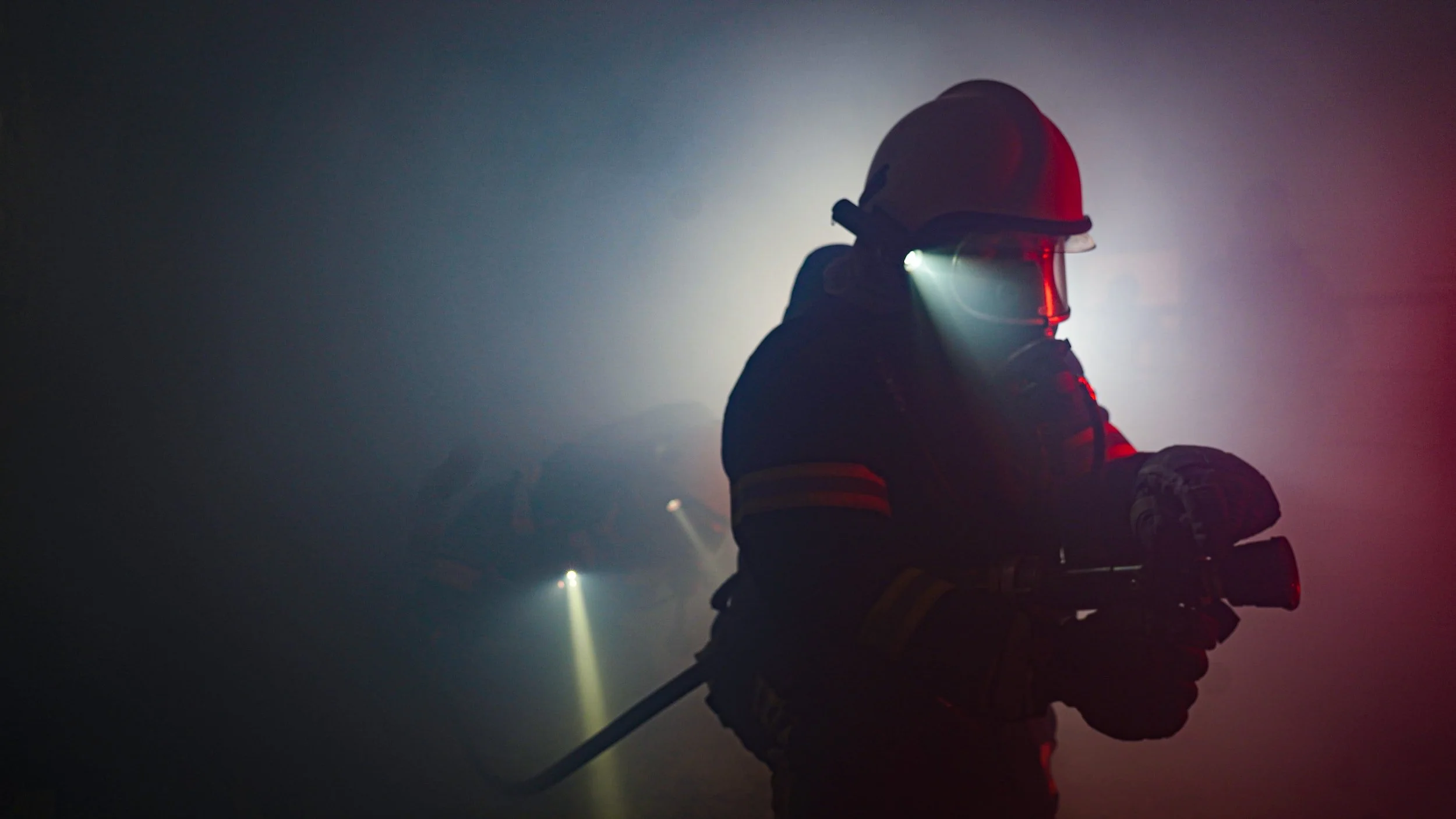
Health and Safety for Fire Investigators
Mental Health and Safety
Keeping tabs on mental health is important for fire investigators, who often work with loss of property and life. Canadian Red Cross has a pocket guide on Psychological First Aid, linked below.
Physical Health and Safety
Follow your organization’s protocols for health and safety protocols.
The latest IAAI Fire Investigator Health and Safety Best Practices document has comprehensive overall guidelines on health and safety for employers and individuals, and is linked below (clicking will automatically download the document). Be sure to carry extra safety equipment including coveralls and respirators.
Being Prepared for the Conditions
Along with physical and mental health and safety, it is important to be prepared for the unique conditions and challenges of every individual fire scene.
Be mindful of the weather conditions and look those up beforehand. Drive safely in inclement weather. Be sure to have:
Appropriate clothing for cold weather, including thermal underwear, warm socks, and hand warmers.
Enough breaks and hydration for hot weather.
Waterproof clothing, umbrellas (to protects cameras and other electronic gear from water damage), and waterproof boots for rain.
For working on remote sites, have someone check on you on a regular basis, and carry a satellite communication device (Garmin, ZOLEO, and SPOT have such devices).
Be sure to do a safety check before to identify special hazards such as mold, asbestos, or structural hazards, and identify means to mitigate the risk. Follow your organization’s protocols. For reference, the BC Construction Site Safety Alliance has a Site Safety Assessment form going over physical, chemical, mechanical, electrical, biological, and confined space hazards, and what steps have been taken to mitigate the hazards present.